Flood Damage France: Claims and Drying Old Stone Homes
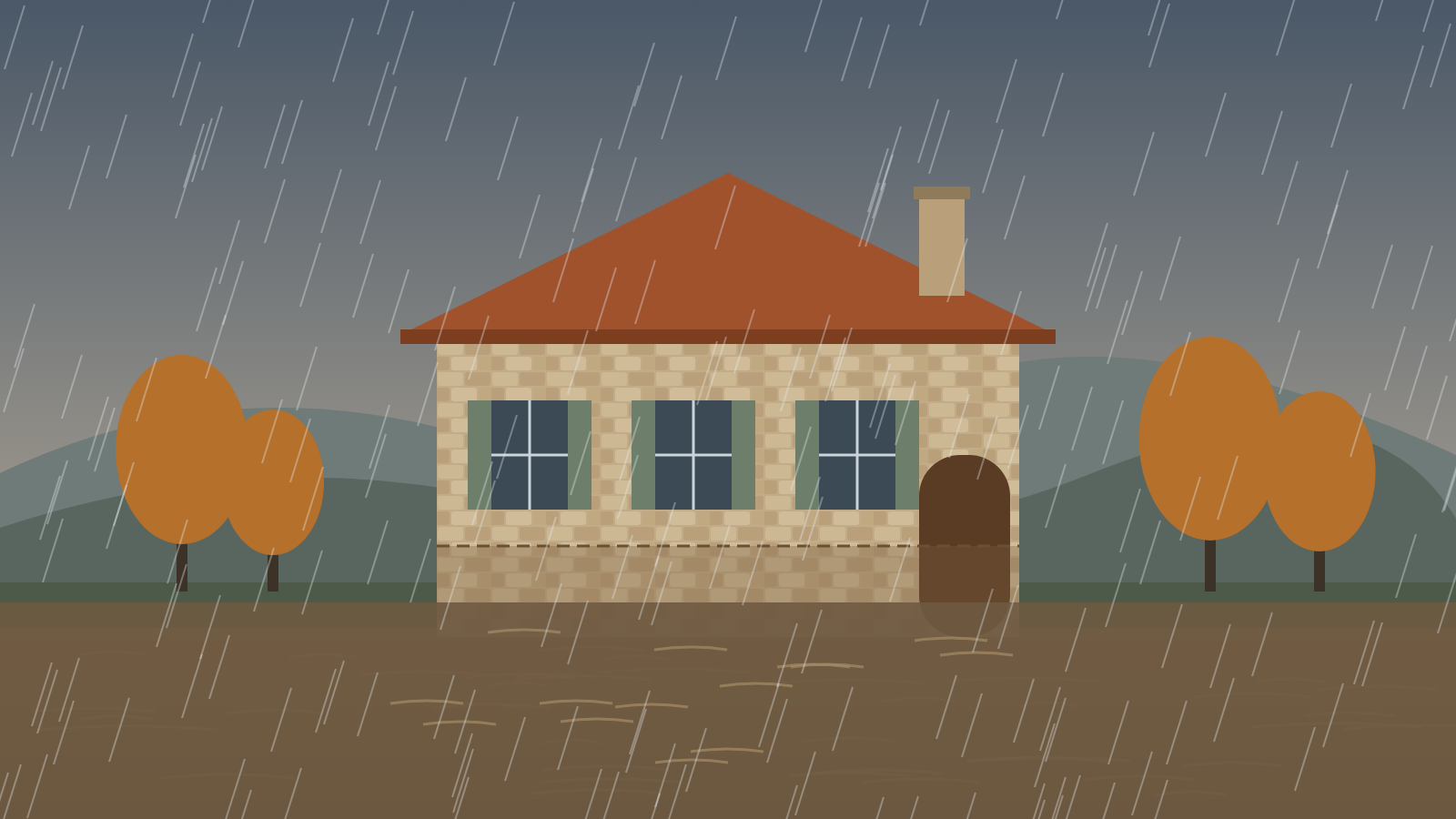
Illustration of an old stone house with a terracotta roof surrounded by brown floodwater in autumn rain, showing the need for flood recovery for stone houses in southern France

Every autumn, the Mediterranean still holds the warmth of summer while cooler air moves in above it. Across the south of France, this is the start of the rainy season. For owners of old stone houses, it is also when flood risk rises, and flood recovery for stone houses is a different job from recovery […]

Anti-Fraud Reform, Enhanced Auditor Certification, and Structural Liability in French Real Estate Transactions

Publication: Le Point Technique – Technical Briefings on French Building Pathology & Regulatory Compliance Editorial Reference: Archival Monograph No. 2026-11/CERT Technical Curation: Damon Anthony Elliott, Principal Technical Editor Domain Focus: Building Pathology (pathologie du bâtiment), Statutory Diagnostic Integrity, Professional Civil Liability (Responsabilité Civile Professionnelle), and French Real Estate Due Diligence Executive Summary: The Structural Overhaul […]

Energy Performance Diagnostics (DPE), Climate Compliance, and Thermal Pathology in French Real Estate Transactions

The Financial and Legal Reality of Energy Sieve (Passoires Thermiques) Regulations In the contemporary French property market, building performance assessments have shifted from informational courtesies to binding legal and financial drivers of value. Under the sweeping provisions of the Climate and Resilience Law (Loi Climat et Résilience), real estate assets in France are subjected to […]

After the Smoke Clears: Navigating French Property Insurance, Claims, and Recovery Following Wildfires

Every year across France, extreme weather events and seasonal heatwaves remind us of nature’s raw, unpredictable power. When wildfire breaks out, the first—and most important—story is always one of human courage and community resilience. From the brave women and men of the Sapeurs-Pompiers (the French fire service) and the Sécurité Civile aircrews dropping retardant over […]

Evolution of Regulatory Risk Zoning and Structural Liability in French Heritage Transactions

The acquisition of historic assets within France is increasingly intersecting with aggressive statutory frameworks governing climate-induced structural vulnerabilities. While traditional property diagnostics (DPE, ERP) provide surface-level statutory checkboxes, they routinely fail to quantify the deep operational liabilities triggered by shifting municipal planning restrictions (Plans de Prévention des Risques) and the evolving definitions of structural latent […]

Thermodynamic Incompatibility of Modern Polymers and Portland Cements on Pre-1948 Envelopes

The widespread introduction of Portland cement-based mortars and synthetic polymer coatings during late 20th-century renovations represents a catastrophic disruption to the historic built environment. Pre-1948 solid masonry walls are dynamic, vapor-permeable systems designed to absorb and evaporate moisture across their entire surface area—a mechanism colloquially known as “breathing.” The application of a modern, rigid Portland […]

Structural Mechanics of Timber Frame (Colombage) Deflection and Joint Decay

The load-bearing performance of historic French timber-framed architecture (le colombage) relies on the geometric stability of interlocking structural joinery, typically executed in green oak (Quercus robur) secured via traditional wooden pegs (chevilles). Unlike modern engineered lumber, historic timber frames operate as dynamic, flexible skeletal frameworks capable of redistribution under minor seasonal movements. However, long-term structural […]

Analysis of Capillary Rise Mechanics and Salt Crystallisation Cycles in Historic Foundations

Sub-soil moisture transit within pre-1948 building envelopes is primarily governed by capillary rise (remontées capillaires), a thermodynamic process driven by the surface tension of water interacting with the micro-porous structure of historic building materials. In the absence of a modern impermeable damp-proof course (DPC), moisture from the underlying water table is drawn vertically into the […]

Mechanical Behaviour of Rubble Stone Masonry (Mur en Moellons) Under Differential Settlement

The structural integrity of traditional French bâti ancien relies heavily on the performance of gravity-loaded rubble stone masonry (murs en moellons). Unlike modern modular brickwork or reinforced concrete elements, rubble stone walls are highly heterogeneous composite systems, typically consisting of irregular limestone or basalt blocks bound by low-modulus, non-hydraulic lime or earth-based mortars. When subjected […]

Capillary Action and Rising Damp: Forensic Analysis of Hydrological Failures in Character Estates

Moisture ingress remains one of the most destructive degradation mechanisms affecting historic stone buildings in France. Among the various hydrological failures encountered during a technical building survey, rising damp (remontées capillaires) requires the most careful forensic investigation to differentiate it from simple condensation or localized plumbing leaks. The mechanics of rising damp involve the upward […]